
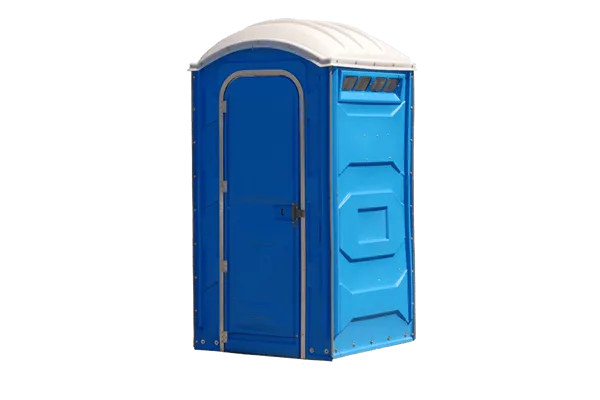
What a standard portable toilet is suited for
Standard portable toilets provide a self-contained restroom option for temporary locations. They can suit crews working away from indoor facilities, homeowners coordinating a project, and organizers who need supplemental restrooms for a gathering. They are often the starting point for a rental conversation because they address the basic need for a temporary outdoor restroom.
Inside an ordinary non-flushing cabin, waste is retained in a tank until a sanitation service removes it. The cabin does not depend on a building sewer connection. Confirm the actual unit's toilet-paper provision and whether it has a washing feature; an internal sink, flush mechanism or powered light should not be assumed. Keep general rubbish out of the toilet and use the rental contact to report a problem rather than opening or treating the waste tank yourself.
The number of people, activity type, hours of use, existing facilities, and rental duration all affect the arrangement. A compact private project and a busy all-day gathering do not create the same demand, so those details are more useful than relying on a one-size-fits-all count.
- Construction and repair work with limited building access
- Private property projects and seasonal outdoor activity
- Community gatherings needing supplemental restroom capacity
- Event support where a basic restroom option is appropriate
When to discuss another restroom option
A standard unit is not the only consideration. An accessible portable restroom may be appropriate when an accessible entry and interior arrangement are needed. A portable handwashing station can add a convenient hygiene point near restroom areas, food activity, or work zones. For an event with a more elevated guest-experience goal, ask about upgraded options rather than assuming a particular model or feature set.
Combining equipment can be more useful than treating every guest or work area the same. For example, a site may need standard units for general use along with an accessible unit and handwashing. Applicable models and availability are confirmed for the particular request.
Set up a workable site and rental schedule
Identify a firm, reasonably level placement area with a clear route for delivery, servicing when arranged, and collection. The unit should be reachable by users without blocking an entrance, traffic lane, emergency access, or active work area. Tell the rental coordinator about gates, narrow approaches, soft ground, parked vehicles, overhead obstructions, and property rules before delivery is coordinated.
For longer use, discuss the expected duration and site operating schedule so care and any servicing needs can be planned. Keep the unit accessible on agreed service or collection days, and explain who can authorize entry if the property is closed. A quote can cover the requested equipment, rental period, delivery and collection coordination, placement information, and any agreed service terms without publishing a fixed rate.
- Site address and the intended placement area
- Who will use the unit and for how long
- Whether existing restrooms are available nearby
- Gate, driveway, surface, and vehicle-access details
- A contact who can assist with delivery and collection coordination
Questions before you book
What is a standard porta potty suited for?
It is a practical temporary restroom for many work sites, projects, outdoor gatherings, and other locations without enough convenient indoor facilities. The right arrangement depends on user volume, duration, existing facilities, and site access.
When should another restroom option be considered?
Discuss an accessible unit when accessible restroom access is needed, handwashing when hygiene support would help, and upgraded options when the event has different guest-experience expectations. The applicable equipment can be confirmed in a tailored quote.
Can standard units be combined with other equipment?
Yes. A request can combine standard units with accessible restroom options and handwashing, depending on the site and intended users.
What placement information is needed?
Provide the intended location, surface conditions, route for delivery and collection, gate or driveway constraints, property approval, and any operational restrictions that affect access.