
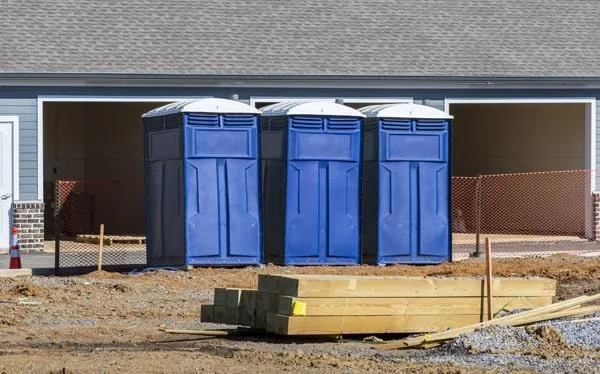
Start with the standard portable toilet
A standard portable toilet is a self-contained cabin with a toilet and waste-holding tank. It provides a practical restroom option where indoor facilities are unavailable or outside the permitted work area. It does not, by itself, supply a separate place to wash hands.
Describe the largest crew expected at one time, shift overlap, project duration and any facilities the crew can actually use. A headcount alone does not explain whether workers are spread across several work zones or share the site with visitors.
Add equipment for access and hygiene needs
An accessible portable restroom may offer a different entrance and interior arrangement from a standard cabin. Discuss the intended users and confirm the supplied model, entrance, maneuvering space and route to it. An accessible cabin cannot compensate for an obstructed or unsuitable approach.
Separate handwashing stations serve a different need from toilet cabins. Ask about water, soap, towels, replenishment and wastewater handling for the proposed station. Do not assume a dispenser inside a toilet is a substitute for the handwashing arrangement your project requires.
Compare one equipment group with several locations
A single restroom group can be easy to identify, but may be inconvenient if the work spreads across separated areas. Discuss walking routes, controlled-access zones and any visitors who cannot enter the active work area. Keep restroom access out of material handling and vehicle circulation paths.
For each proposed location, distinguish the space occupied by the cabin from the approach needed by the delivery and servicing vehicles. Share gate dimensions, overhead obstacles, ground conditions and turning constraints rather than judging fit from a photograph of the unit.
Connect the equipment choice to the rental plan
Before accepting a quote, identify the unit types and quantities, rental period, delivery and removal arrangements, cleaning visits and supplied consumables. Ask how a change in crew size, a relocated work zone or an extended project would be handled. These details affect the suitability of the order as much as the cabin selection.
Keep a named site contact responsible for reporting low supplies, restricted access or a damaged unit. Agree how service vehicles will reach the units while construction changes around them; do not move a cabin into a new area without coordinating the change.
Questions before you book
Can a standard toilet and an accessible unit be included in one request?
Yes. Explain who will use the facilities and where each unit could be placed. The equipment mix and usable approach need to be reviewed together, with the actual models and quantities confirmed in the quote.
Does choosing more cabins remove the need to discuss servicing?
No. Usage, rental duration, waste capacity and supplies still need a service plan. More equipment is not a substitute for confirming cleaning and restocking arrangements.
What if the jobsite layout changes after delivery?
Contact the rental team before relocating equipment. A new location may need a different vehicle approach, ground assessment or pedestrian route, and changes should be coordinated rather than assumed included.