
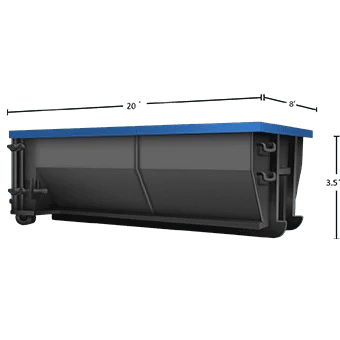
When a dumpster can help a cleanup project
A waste container can be useful when a project produces more material than routine collection can reasonably handle, such as renovation debris, moving or property cleanouts, landscaping-related waste, or organized cleanup work. The first step is to describe the project and the materials expected so the appropriate container discussion can begin.
Do not assume every material can go into every container. Acceptable materials, restrictions, container type, and availability require confirmation for the individual request. Separating materials in advance and identifying anything that may need a different disposal route can prevent problems later.
- Describe the project type and expected debris.
- Identify bulky, heavy, regulated, or potentially restricted materials before booking.
- Estimate when material will be generated and when the container can be accessed.
- Keep portable sanitation needs separate from the waste-container request.
Review placement, property approval, and vehicle access
Choose a placement area that the property owner approves and that can support the container without obstructing entrances, required parking, traffic movement, or emergency access. Surface condition, driveway width, overhead obstructions, slopes, gates, and neighboring property lines can all affect what is workable.
Provide clear access information for delivery and pickup. A container may need a different approach than a passenger vehicle, and parked vehicles or active work can change conditions quickly. If the container would be placed on a public street, shared drive, managed property, or another controlled area, check the applicable permission requirements before arranging placement.
Plan the project period and pickup handoff
Share the requested duration, anticipated loading schedule, and the contact who can confirm that the container is ready for pickup. Keep the agreed access route clear at delivery and collection, and avoid overfilling or placing unconfirmed materials in the container. If project timing, materials, or site access changes, raise it before pickup coordination.
A tailored quote can describe the requested container arrangement, planned rental period, supplied material and site details, placement discussion, and delivery and pickup coordination. It is also where applicable container availability and material acceptance can be confirmed.
Check the quotation for the container period, delivery and collection, disposal arrangements, any included weight allowance and the treatment of extra days, excess weight or rejected material. Keep those terms separate from a portable-toilet order. A debris container does not provide disposal for a portable restroom's tank contents.
Questions before you book
When is a dumpster useful for a cleanup project?
A dumpster can be useful for renovation, cleanout, moving, landscaping, or other projects that generate a substantial volume of debris. Describe the materials and schedule so the container discussion fits the work.
What site information affects container planning?
Share the placement surface, driveway or approach, clearance obstacles, gates, slopes, parking conditions, property approval status, project duration, and the contact for delivery and pickup.
Can any material go in a dumpster?
No. Material acceptance and restrictions need to be confirmed for the request. Identify unusual, hazardous, regulated, heavy, or bulky materials before arranging a container.
How should a project be prepared for pickup?
Keep the access route open, ensure the container is ready under the agreed terms, avoid adding unconfirmed materials, and make sure the pickup contact can address any site-access question.