
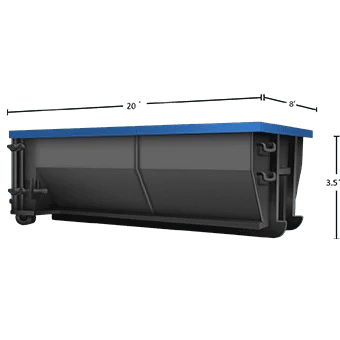
When a roll-off container is a practical choice
Roll-off containers can suit projects that produce bulky, mixed, or ongoing debris that would be difficult to manage with ordinary trash collection. A request is easier to plan when the project type, expected debris, loading period, and desired collection timing are clear.
For a small cleanup or a narrowly defined waste stream, a different container arrangement may be more suitable. Discuss the material before choosing a container so the available options and disposal rules can be matched to the job.
- Home cleanouts and move-out work
- Renovation, demolition, and roofing debris
- Property maintenance and storm-cleanup debris
- Construction projects needing an organized waste point
Choose around debris, loading, and project duration
Describe what will go into the container, including whether materials are heavy, bulky, recyclable, or potentially restricted. Accepted-material rules can vary by disposal arrangement, so do not assume that every item belongs in a mixed debris load.
The space debris occupies and the weight it adds are different selection questions. Light bulky household contents can take up room quickly, while dense demolition material may reach the agreed loading limit before a container looks full. Give the provider both a material description and an approximate volume, then confirm the proposed size, permitted load and fill instructions rather than choosing solely by apparent capacity.
Consider how long the container needs to remain on site and whether work will create debris steadily or in one concentrated phase. These details help coordinate delivery, the rental period, collection, and any changes needed as the work progresses.
- Project address and whether the site is private, commercial, or controlled
- Expected debris types and any items needing separate handling
- A clear loading area and the dates the container is needed
- Whether collection access will remain open after work begins
Prepare the placement area and truck approach
A roll-off container needs a stable, accessible placement area and a clear approach for the delivery vehicle. Review driveway width, overhead branches or wires, gates, turns, parked vehicles, soft ground, and the room needed to set down and retrieve the container.
Allow for the truck to set down and recover the container as well as for the box to stand on the site. If the proposed container has a loading door, that door must remain usable after placement. Confirm the actual handling space with the provider; a car-sized driveway opening or an empty footprint alone does not establish enough clearance.
If a driveway or finished surface is the proposed location, discuss surface protection before delivery is coordinated. Keep the area clear during drop-off and collection, and obtain approval from the property owner, venue, association, or governing authority when the container would be placed somewhere other than your own approved work area.
- Identify a level placement location away from blocked entrances
- Check vertical and turning clearance from the street to the placement point
- Plan where workers can load without obstructing vehicles or neighbors
- Confirm any property, street, or site-manager permission before scheduling
What to cover in a dumpster quotation
A useful quotation discussion covers the requested container arrangement, intended materials, site address, placement conditions, rental period, delivery and collection coordination, and any applicable disposal restrictions. Availability of the appropriate container and acceptance of the described waste should be confirmed for the request.
For active jobs, designate a site contact who can answer access questions and report when the container is ready for collection. Do not overfill the container or add materials that were not discussed; doing so can affect safe transport and disposal handling.
Questions before you book
Why does weight matter if there is still space in the container?
The agreed loading limit depends on the actual container, transport arrangement and material. Dense debris can reach that limit before the box looks full. Confirm material-specific loading instructions and any included weight allowance rather than filling by appearance alone.
What should be reviewed before container placement?
Review the delivery approach, driveway or site surface, overhead clearance, turning room, parked vehicles, gate access, and permission from the owner or site operator. A clear, stable placement area helps delivery and later collection go smoothly.
Can a roll-off dumpster and portable restrooms be planned for the same job?
Yes. They serve different needs: a dumpster manages debris and portable restrooms support people on site. Construction projects can discuss both arrangements together while confirming the applicable equipment and availability.